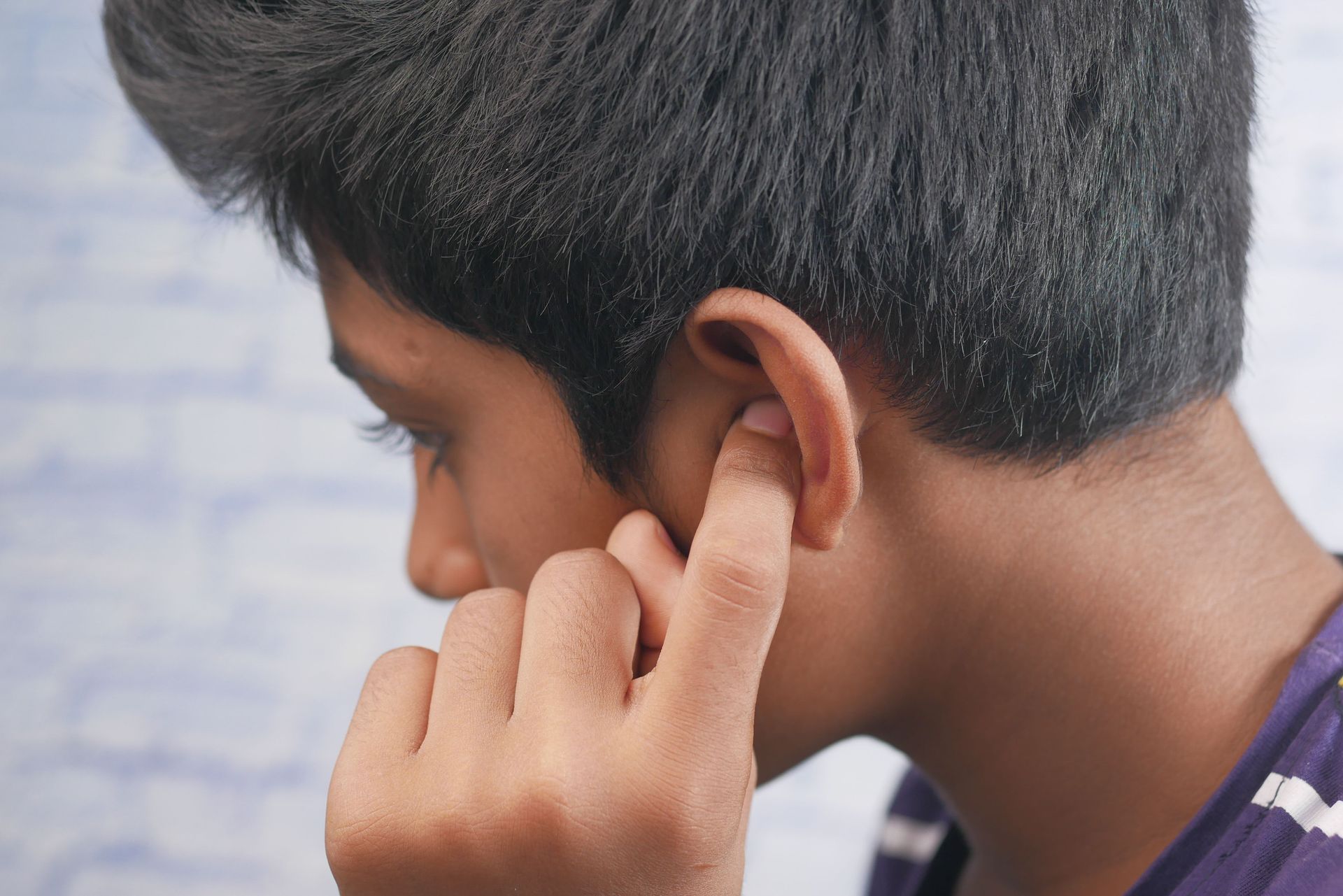


Back-to-School Health Tips: When Should Your Child See an ENT Specialist?
As summer winds down and backpacks are packed, one important item is often left off the back-to-school checklist—your child's ear, nose, and throat health. Conditions such as hearing loss, chronic ear infections, allergies, and sleep-disordered breathing can affect your child's ability to learn, communicate, and thrive in the classroom.
Signs Your Child Should See an ENT Specialist Before School Starts
Many ENT conditions develop gradually, making them easy to overlook. Consider scheduling an appointment if your child experiences any of the following.
Hearing Difficulties
Even mild hearing loss can affect language development, reading skills, and classroom success.
Schedule an ENT evaluation if your child:
- Frequently asks "what?" or "huh?"
- Turns up the TV or devices to a high volume
- Speaks louder than usual
- Struggles to follow conversations or instructions
- Is falling behind academically without another explanation
A comprehensive hearing evaluation can determine whether hearing loss is contributing to these concerns. If hearing isn't the concern, other ENT conditions can also interfere with your child's health and school performance.
Snoring or Poor Sleep
Children shouldn't regularly snore loudly. Habitual snoring may be a sign of enlarged tonsils, enlarged adenoids, or pediatric sleep-disordered breathing.
Warning signs include loud nightly snoring, pauses in breathing during sleep, restless sleep, daytime sleepiness, difficulty concentrating, and hyperactivity or behavioral concerns. Improving sleep often leads to better attention, mood, and school performance.
Frequent Ear Infections
Occasional ear infections are common, especially in younger children. However, repeated infections may signal an underlying problem. Your child should be evaluated if they have multiple ear infections within several months, persistent ear pain or drainage, fluid behind the eardrum that does not resolve, or trouble hearing after an infection. Treating recurring ear infections early may help prevent hearing problems and missed classroom instruction.
Chronic Nasal Congestion or Sinus Problems
If your child always seems congested, even without a cold, it could indicate allergies, enlarged adenoids, chronic sinus problems, or another nasal condition. Chronic congestion can interfere with sleep and daytime concentration.
Frequent Sore Throats or Tonsillitis
Repeated throat infections can disrupt school attendance and daily activities. Your child may benefit from an ENT evaluation if they experience:
- Multiple episodes of strep throat each year
- Recurrent tonsillitis
- Difficulty swallowing
- Enlarged tonsils affecting breathing or sleep
- Persistent, bad breath related to tonsil stones
Your pediatric ENT specialist will discuss whether medical management or other treatment options are appropriate.
Back-to-School ENT Health Checklist
Use this quick checklist to ensure your child is set for a healthy school year:
- Schedule a Pediatric ENT Check-up — especially if your child has a history of ear infections, snoring, or allergies
- Schedule a Hearing Evaluation if Needed — if you notice any signs of difficulty hearing or if your child has had a failed screening
- Check for Allergies — allergies can cause nasal congestion, sleep disruption, and missed school days
- Monitor Snoring and Sleep — loud, regular snoring may indicate sleep apnea
- Review Asthma or Allergy Action Plans — share updated plans with the school nurse
- Update Emergency Contacts — ensure the school has current medical information
ENT Tips for Connecticut Families
As children across Connecticut head back to classrooms, a few healthy habits can help reduce ENT-related problems throughout the school year:
- Encourage frequent handwashing.
- Keep children well hydrated.
- Manage seasonal allergies early.
- Make sure hearing concerns are evaluated promptly.
- Teach children not to share water bottles or eating utensils.
- Ensure they get enough quality sleep each night.
- Schedule follow-up visits if chronic ENT conditions have been ongoing.
Taking care of these issues before the first day of school can help your child stay healthier and more comfortable throughout the semester.
When Illness Means Staying Home from School
While you want your child to attend school, some symptoms warrant keeping them home:
- Fever of 100.4°F or higher — keep them home until fever-free for 24 hours without medication
- Vomiting or diarrhea — wait 24-48 hours after the last episode
- Persistent cough or breathing difficulty — consult your pediatrician
- Conjunctivitis (pink eye) — requires treatment and staying home until cleared
Help Your Child Start the School Year Healthy
If your child is experiencing hearing difficulties, frequent ear infections, snoring, chronic congestion, or recurrent sore throats, don't wait until these issues affect their school performance. The Connecticut ENT specialists and audiologists at ENT Medical and Surgical Group provide comprehensive evaluations and personalized treatment to help children stay healthy, hear clearly, and succeed in school.