Can Hearing Devices Improve Language Development in Children?
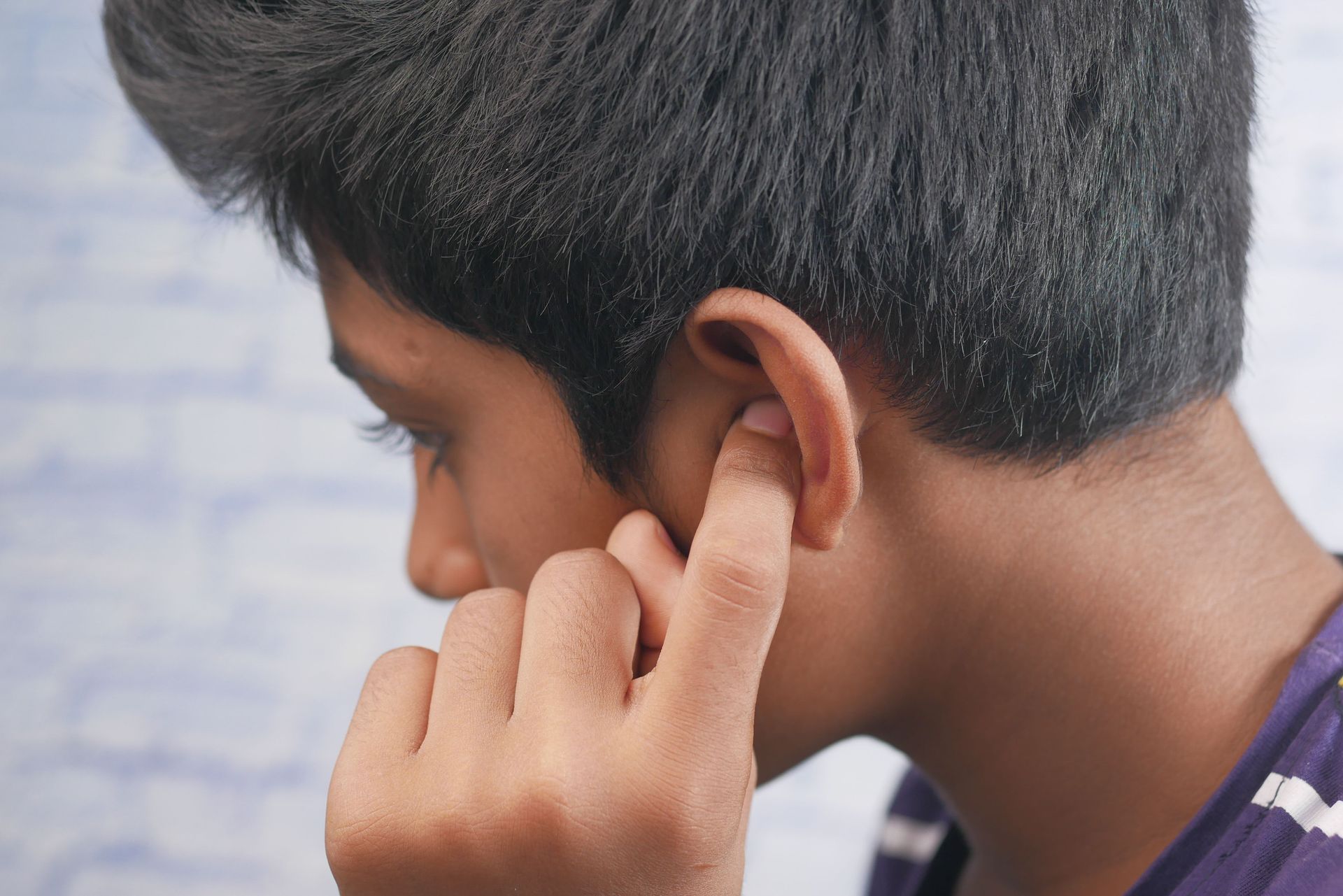
When a child has hearing loss, one of the most common concerns parents face is whether it will affect speech and language development. The good news is that with early diagnosis and the right treatment, many children can develop strong communication skills. Hearing devices—such as hearing aids or other assistive technologies—can play a key role in supporting language development during these critical early years.
How Hearing Affects Speech and Language Development
Children learn language by hearing it repeatedly in everyday life. From infancy, they absorb sounds, words, tone, and rhythm, which helps them build vocabulary and eventually form sentences.
When hearing is reduced or inconsistent, even mildly, children may:
- Miss parts of speech sounds
- Have difficulty learning new words
- Struggle with pronunciation
- Experience delays in expressive language
Because early childhood is a critical period for brain development, untreated hearing loss can impact communication, learning, and social skills.
Can Hearing Devices Help Children Learn Language?
Yes. When appropriately fitted and used early, hearing devices can significantly improve a child’s ability to access sound, which is essential for language development.
Hearing devices do not teach language on their own, but they allow children to hear the sounds needed to learn naturally through listening and interaction. Many children show improvements in speech clarity, vocabulary growth, communication confidence, and the ability to follow instructions after beginning hearing support.
The earlier hearing treatment begins, the greater the potential benefit for language development.
Types of Hearing Devices for Children
Several types of hearing devices may be recommended depending on the child’s hearing needs.
Hearing Aids
Most commonly used for mild to moderate hearing loss, hearing aids amplify sound so children can hear speech more clearly in everyday environments.
Bone Conduction Hearing Devices
These may be used when sound cannot effectively pass through the outer or middle ear. They transmit sound through bone vibration directly to the inner ear.
FM Systems and Remote Microphone Technology
These assistive devices improve hearing in noisy environments like classrooms by sending a teacher’s voice directly to the child’s device.
When Should a Child Be Evaluated for Hearing Devices?
Parents should consider a hearing evaluation if a child has delayed speech milestones, difficulty responding to sounds, unclear speech, frequent ear infections, or trouble following verbal instructions.
If hearing loss is diagnosed, an ENT specialist and audiologist will determine whether hearing devices are appropriate.
Pediatric Hearing Care in North Haven, Branford & New Haven, Connecticut
Families in North Haven, Branford, and New Haven, Connecticut, have access to comprehensive pediatric ENT and hearing care services. Evaluation typically includes hearing testing, ear examinations, and coordination with audiology specialists to determine the most effective treatment plan.
At our ENT practice, we focus on identifying hearing concerns early and providing personalized solutions that support each child’s communication development. Our pediatric ENT specialists provide hearing evaluations, ear infection treatment, and hearing device guidance for children throughout the Connecticut shoreline region.
When to See a Pediatric ENT Specialist
You should schedule a consultation if your child shows signs of hearing difficulty, speech delay, or recurrent ear infections. Early evaluation helps determine whether hearing devices, medical treatment, or additional developmental support is needed.
Prompt diagnosis can make a meaningful difference in a child’s ability to develop strong, confident communication skills.
Frequently Asked Questions
Do hearing aids help children talk better?
Yes. Hearing aids improve access to speech sounds, which supports natural language development when used consistently.
At what age can children get hearing devices?
Hearing devices can be used even in infancy if hearing loss is diagnosed early.
Will my child still need speech therapy with hearing devices?
In most cases, yes. Speech therapy helps children learn how to interpret and produce language effectively.
Can hearing loss affect learning in school?
Yes. Untreated hearing loss can impact language, reading, and classroom performance.
Are hearing devices permanent?
Some children use them temporarily, while others may need long-term support depending on the cause of hearing loss.